

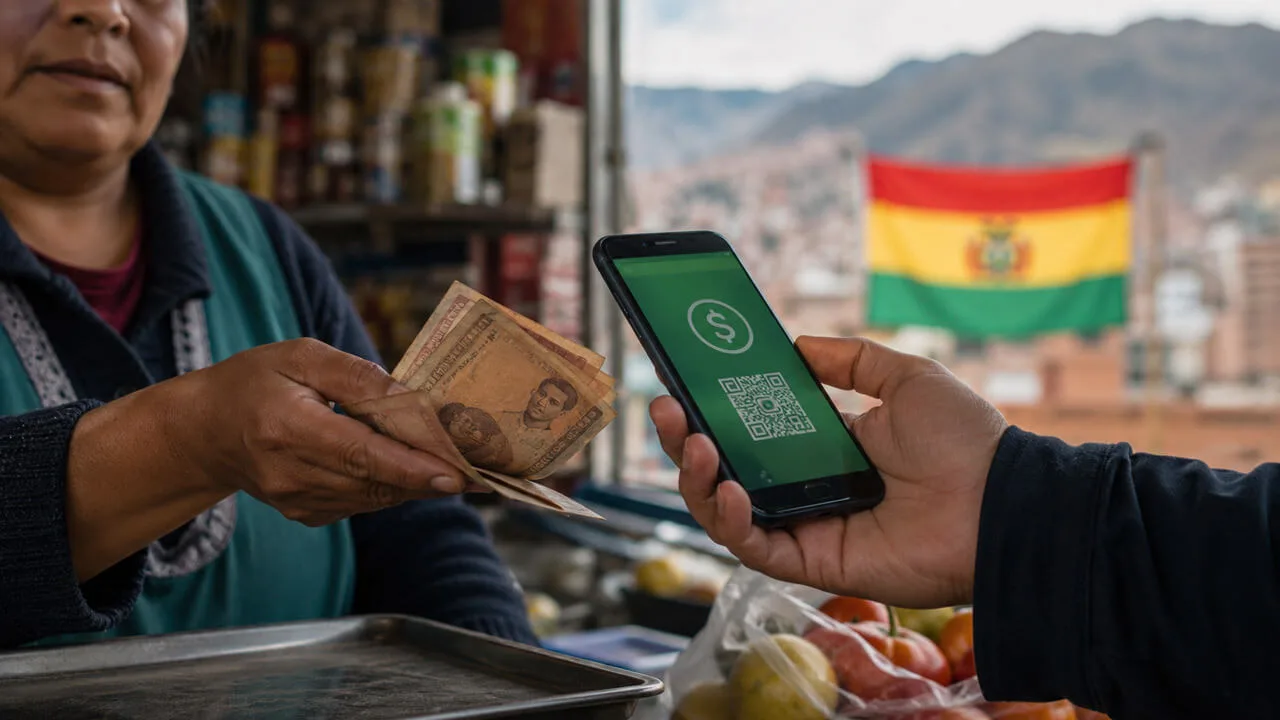
Introduction: A New Era of Monetary Adoption
In an era where traditional currencies falter under economic strain, stablecoins are emerging not just as speculative assets but as functional replacements for national money. Nations such as Bolivia and Nigeria have begun integrating USDT into everyday transactions, driven by dollar shortages, inflationary pressures, and restricted foreign exchange access. This trend reveals how decentralized finance is reshaping monetary policy frameworks worldwide.
Rising Demand Amid Instability
- Bolivia sees a 630% surge in virtual asset operations within a year.
- Nigeria accounts for $59B in crypto inflows—60% of Sub-Saharan Africa’s total since 2019.
- Peer-to-peer networks thrive when formal banking bans exist.
The rapid adoption underscores a broader pattern: citizens gravitate toward digital dollars when local currencies fail. In Nigeria, despite regulatory crackdowns in 2021, users migrated to P2P platforms, proving that demand persists even under suppression. Similarly, Bolivia's reopening of electronic payment channels led to explosive growth—from $46.5 million to $294 million in six months.
Market Impact Analysis
This grassroots shift poses significant challenges to central banks. As more individuals store value in USD-backed tokens, domestic monetary tools lose efficacy. The Bank for International Settlements (BIS) warns of 'stealth dollarization,' where economies adopt unofficial dollar standards through mobile devices. Stablecoins also threaten capital controls, allowing residents to circumvent restrictions effortlessly.
Tether alone holds over $183 billion in liabilities, backed largely by U.S. Treasuries—an exposure level comparable to small sovereign states. Each new country adopting USDT effectively outsources key aspects of its monetary sovereignty to a private entity whose policies remain opaque.
Outlook: From Workaround to Framework
Governments now face a dilemma: resist or regulate. Suppressing stablecoin use risks pushing activity underground, while embracing them means surrendering control over monetary mechanics. Countries like Bolivia are taking cautious steps, evaluating inclusion in regulated systems without granting legal tender status. Meanwhile, the IMF cautions that if left unchecked, this phenomenon could hollow out national currencies and erode fiscal autonomy across emerging markets.
Market context
Market data reflects conditions at publication time and is not updated in real time.
Data captured at: Sep 18, 2026 01:05 (Tehran)
Likely market impact
| Segment | Outlook |
|---|---|
| Bitcoin | ● Neutral |
| Ethereum | ● Neutral |
| Altcoins | ▲ Positive |
| Short term | ▲ Bullish |
| Long term | ▲ Positive |
Spot prices at publication
Fear & Greed Index
Chart
Source: CryptoSlate