

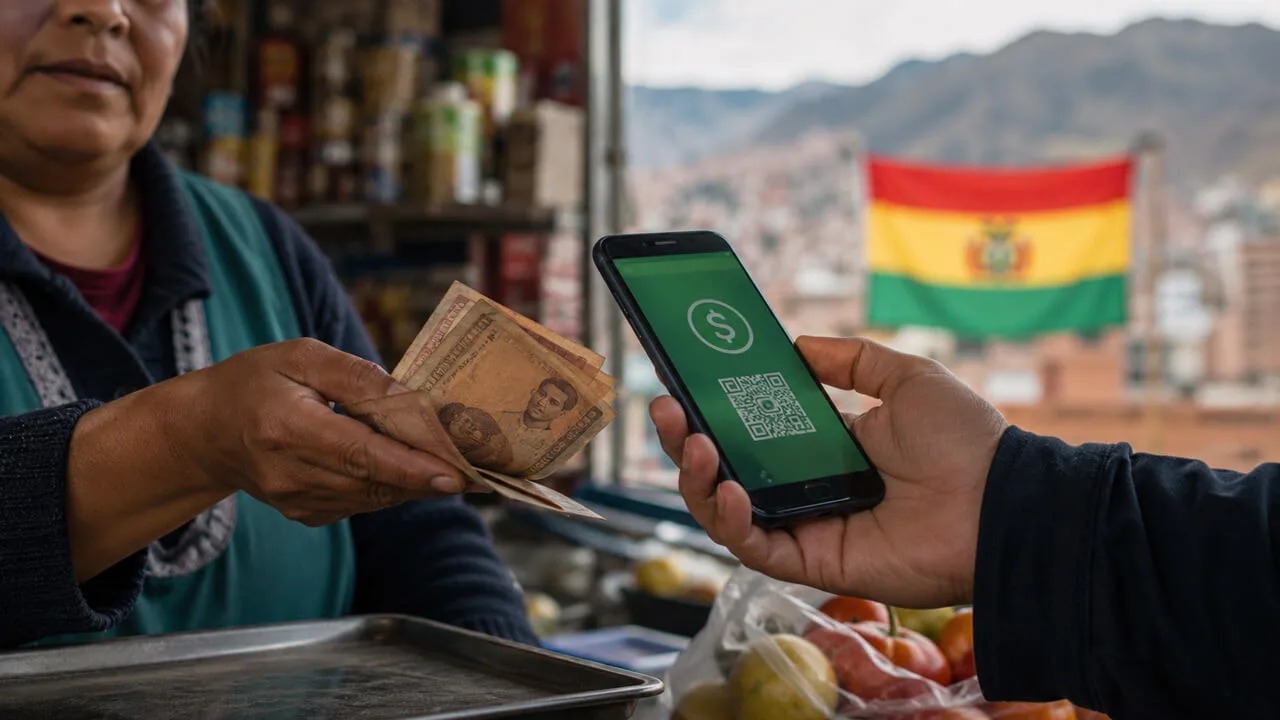
Introduction: The Rise of Private Digital Currencies
In a world where financial instability breeds innovation, stablecoins are increasingly stepping into roles traditionally filled by sovereign currencies. Nations such as Bolivia and Nigeria are seeing explosive growth in virtual asset operations, driven by citizens seeking alternatives amid currency volatility and restricted foreign exchange access. This trend underscores how decentralized finance is reshaping global economics—not through top-down regulation but grassroots adoption.
Key Developments in Emerging Markets
- Bolivia evaluates integrating USDT into its regulated payment systems despite lacking legal tender status.
- Nigeria experienced massive inflows of over $59 billion in crypto-assets within a year, largely due to naira depreciation and limited forex availability.
- Crypto transactions surged 630% in Bolivia post-regulatory easing, indicating strong latent demand.
- IMF highlights risks of 'digital dollarization' undermining domestic monetary policy effectiveness.
Market Impact Analysis
The rapid embrace of stablecoins reflects deeper structural issues in emerging economies—particularly those grappling with inflation, capital controls, and weak institutional trust. In these environments, stablecoins offer a practical workaround for everyday transactions and savings preservation. However, this shift poses significant challenges for policymakers who must now contend with parallel monetary ecosystems that operate beyond their direct control.
As seen in Nigeria, even when governments attempt to restrict access via traditional banking channels, users migrate to peer-to-peer networks, preserving transactional utility while reducing transparency. Meanwhile, institutions like the Bank for International Settlements warn that interest-bearing stablecoins could erode deposit bases in local banks during periods of high inflation, further destabilizing national financial systems.
Outlook: Regulatory Catch-Up or Strategic Embrace?
Moving forward, two paths emerge. One involves continued resistance, which often leads to underground proliferation and reduced oversight. Alternatively, some nations may choose to integrate stablecoins into formal frameworks—as Bolivia appears poised to do—potentially legitimizing them as quasi-official instruments without granting full legal tender status.
This evolution raises critical questions about sovereignty, monetary autonomy, and international cooperation. If major stablecoins become embedded features of national economies, central banks will need new tools to manage liquidity, credit creation, and cross-border flows. Moreover, reliance on privately issued tokens backed by opaque reserves introduces external dependencies few governments anticipated just years ago.
Market context
Market data reflects conditions at publication time and is not updated in real time.
Data captured at: Sep 18, 2026 01:05 (Tehran)
Likely market impact
| Segment | Outlook |
|---|---|
| Bitcoin | ● Neutral |
| Ethereum | ● Neutral |
| Altcoins | ▲ Positive |
| Short term | ▲ Bullish |
| Long term | ▲ Positive |
Spot prices at publication
Fear & Greed Index
Chart
Source: CryptoSlate