

Introduction
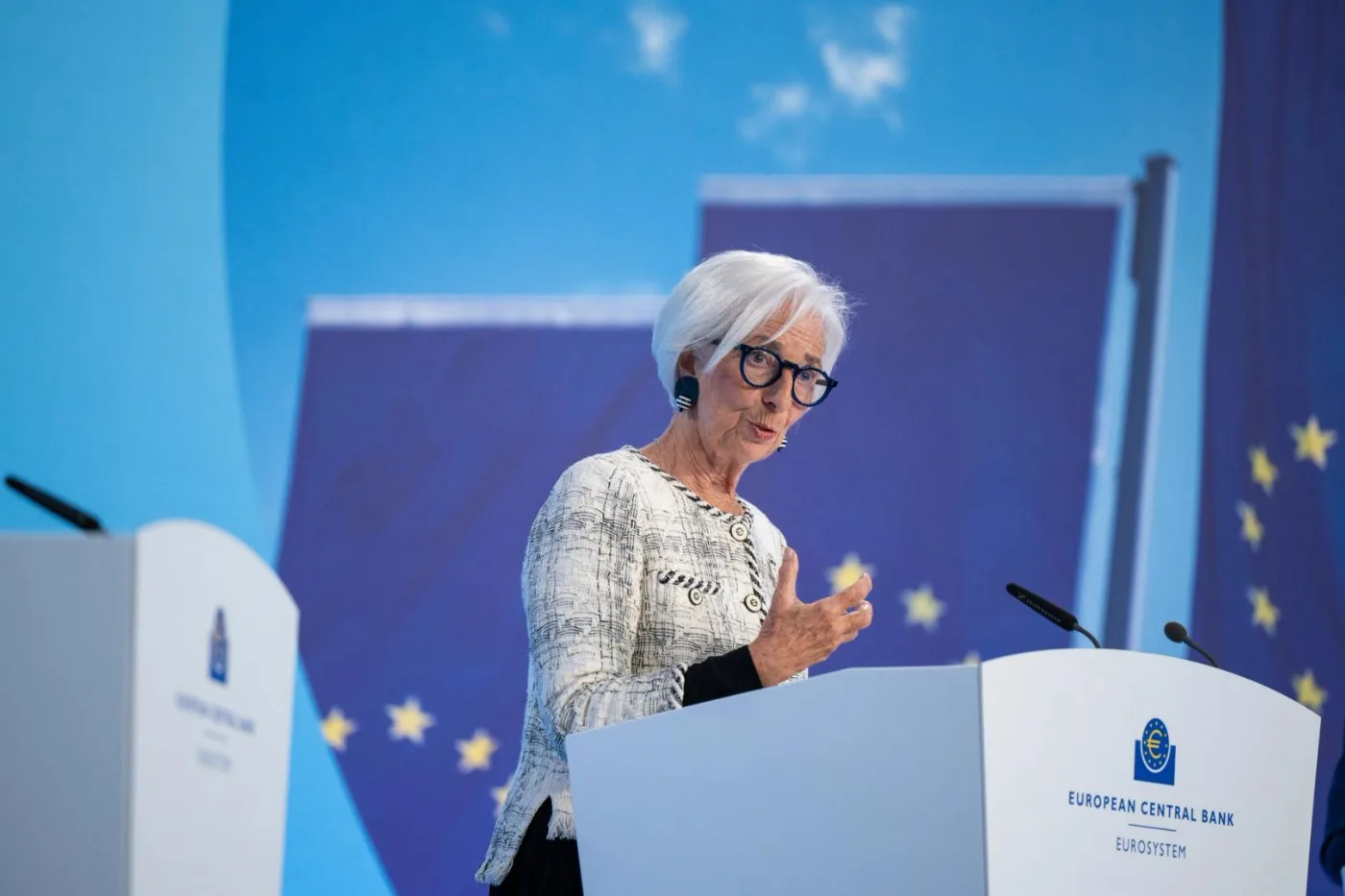
The European Central Bank (ECB) has taken a decisive step toward integrating distributed ledger technology (DLT) into the core of the euro area's financial infrastructure. On September 21, the ECB announced the deployment of its new wholesale settlement platform, Pontes, which allows financial institutions to settle tokenized assets directly in central bank money. This development represents a significant milestone in the convergence of traditional finance and blockchain-based markets, offering a regulated, risk-free settlement layer for wholesale tokenized securities, funds, and other digital assets.
Unlike the retail-focused digital euro project, which remains in a preparation phase with a potential launch around 2027, Pontes is operational today and targets the wholesale segment — serving banks, central securities depositories, and other market infrastructures. By connecting existing DLT platforms to the ECB's TARGET Services payment rails, Pontes aims to eliminate counterparty risk and settlement latency that currently hinder the scalability of tokenized asset markets.
Key Points
- Pontes enables atomic delivery-versus-payment (DvP) settlement of tokenized assets in central bank money.
- The platform interoperates with multiple DLT networks through standardized APIs, avoiding vendor lock-in.
- It operates independently of the retail digital euro pilot, focusing exclusively on wholesale use cases.
- Initial participants include major European banks and market infrastructures testing tokenized bond and fund settlements.
- The ECB emphasizes that Pontes is a settlement layer, not a trading venue or asset registry.
Market Impact Analysis
The launch of Pontes sends a strong signal to global financial markets: central banks are moving beyond experimentation to provide production-grade infrastructure for tokenized assets. For institutional investors, the availability of central bank money settlement removes the primary barrier to large-scale adoption of tokenized securities — the need to rely on commercial bank money or stablecoins for cash legs, which introduces credit and operational risk.
In the short term, the impact on public cryptocurrency markets such as Bitcoin and Ethereum is neutral. Pontes does not interact with permissionless blockchains or crypto assets directly. However, the long-term implications are profoundly positive for the broader digital asset ecosystem. By legitimizing tokenized asset settlement at the highest level of monetary authority, the ECB establishes a template that other central banks — including the Federal Reserve and the Bank of England — are likely to follow. This could accelerate the tokenization of trillions of dollars in traditional assets, from government bonds to real estate funds, creating a parallel financial system that is natively digital, programmable, and interoperable.
Moreover, the separation of wholesale (Pontes) and retail (digital euro) tracks reflects a sophisticated regulatory approach: addressing institutional efficiency needs now while continuing to study retail CBDC implications. This dual-track strategy may become the global norm.
Outlook
Industry participants should monitor the onboarding of additional DLT platforms and the expansion of asset classes eligible for settlement via Pontes. The ECB has indicated that the platform will evolve based on market feedback, with potential integration of smart contract-based corporate actions and cross-border settlement linkages. As more assets become tokenized and settle in central bank money, the distinction between "crypto" and "traditional" finance will continue to blur, ultimately benefiting market participants through lower costs, faster settlement, and enhanced transparency.
Market context
Market data reflects conditions at publication time and is not updated in real time.
Data captured at: Sep 21, 2026 14:34 (Tehran)
Likely market impact
| Segment | Outlook |
|---|---|
| Bitcoin | ● Neutral |
| Ethereum | ● Neutral |
| Altcoins | ● Neutral |
| Short term | ▲ Positive |
| Long term | ▲ Positive |
Spot prices at publication
Fear & Greed Index
Source: CoinDesk