

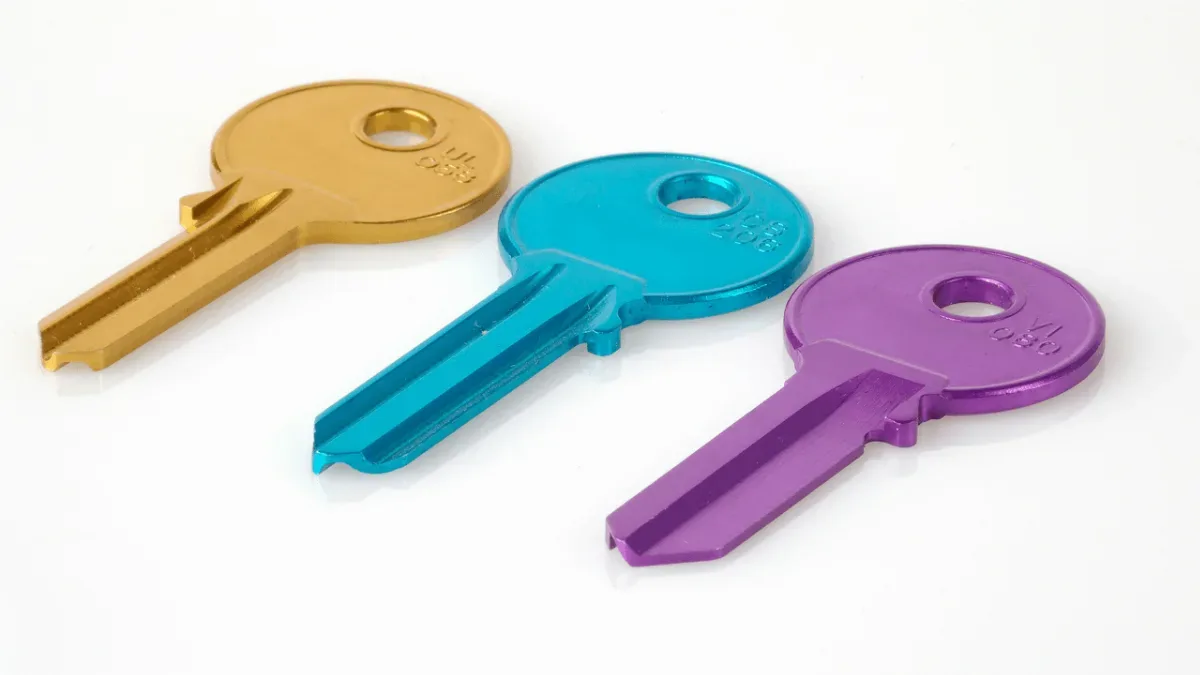
Heightened Security Concerns Fuel Multisig Adoption
Recent events involving hardware wallet security, including the Coldcard situation earlier this year and now issues with Ledger, are accelerating a trend toward multisignature (multisig) wallet setups. While technically adept Bitcoin users have long favored multisig for enhanced security, broader awareness is now driving demand.
Multisig wallets require multiple private key holders to authorize transactions, significantly reducing the risk of unauthorized access even if one key is compromised. This contrasts with traditional single-signature wallets where a single key controls the funds.
The increased focus on multisig is likely to benefit hardware wallet manufacturers as users purchase multiple devices to implement these more secure configurations. However, setting up and managing multisig wallets is more complex and can incur higher short-term costs. Users must manage multiple devices and understand the intricacies of threshold signatures.
Despite the added complexity, the long-term security benefits of multisig are becoming increasingly apparent. As the broader crypto ecosystem matures, and the value of holdings increases, users are prioritizing robust security measures, even at the expense of convenience. The Ledger incident serves as a stark reminder of the risks associated with centralized key management and the importance of self-custody solutions.
Market context
Market data reflects conditions at publication time and is not updated in real time.
Data captured at: Oct 12, 2026 22:34 (Tehran)
Likely market impact
| Segment | Outlook |
|---|---|
| Bitcoin | ▲ Positive |
| Ethereum | ● Neutral |
| Altcoins | ● Neutral |
| Short term | ▲ Positive |
| Long term | ▲ Positive |
Spot prices at publication
Fear & Greed Index
Chart
Source: Bitcoin.com News