

Escalating Nuclear Risk
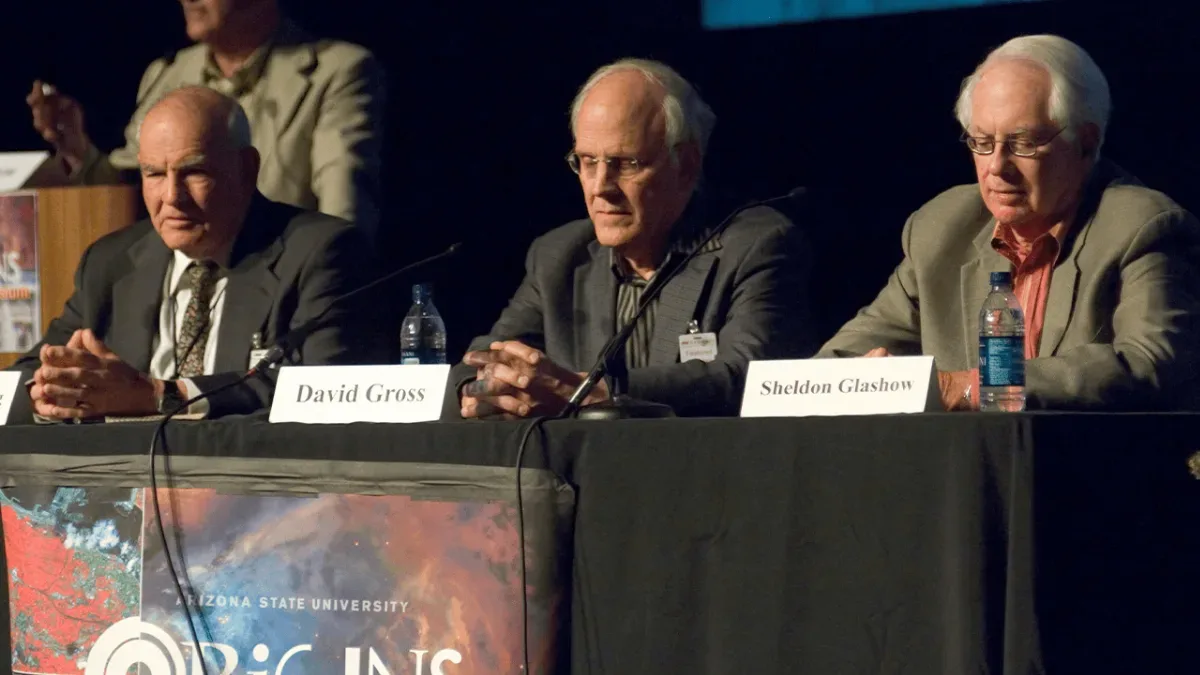
David Gross, awarded the 2004 Nobel Prize in Physics, stated the annual risk of nuclear war has approximately doubled, climbing from around 1% during the Cold War to roughly 2% currently. Gross believes this shift significantly diminishes the probability of human civilization surviving the next 50 years.
The physicist attributes the increased risk to several factors. He cites the existence of a nine-nation nuclear club, the deterioration of arms-control treaties, and the development of hypersonic weapons as key contributors. These developments, he argues, create a more volatile and dangerous international security environment.
Gross did not specify which nations comprise the “nine-country nuclear club,” but the reference alludes to the United States, Russia, China, France, the United Kingdom, Pakistan, India, Israel, and North Korea – all confirmed or widely believed to possess nuclear capabilities. The breakdown of arms control agreements removes established guardrails, while hypersonic weapons introduce new challenges for defense and early warning systems.
The assessment from a figure of Gross’s stature adds weight to existing concerns about geopolitical instability and the potential for nuclear escalation. While a 2% annual risk may seem small, compounded over decades, it represents a substantial threat to long-term human survival.
Market context
Market data reflects conditions at publication time and is not updated in real time.
Data captured at: Oct 10, 2026 00:10 (Tehran)
Likely market impact
| Segment | Outlook |
|---|---|
| Bitcoin | ● Neutral |
| Ethereum | ● Neutral |
| Altcoins | ● Neutral |
| Short term | ● Neutral |
| Long term | ▼ Negative |
Spot prices at publication
Fear & Greed Index
Source: Bitcoin.com News