

The Rise of Seamless Spending
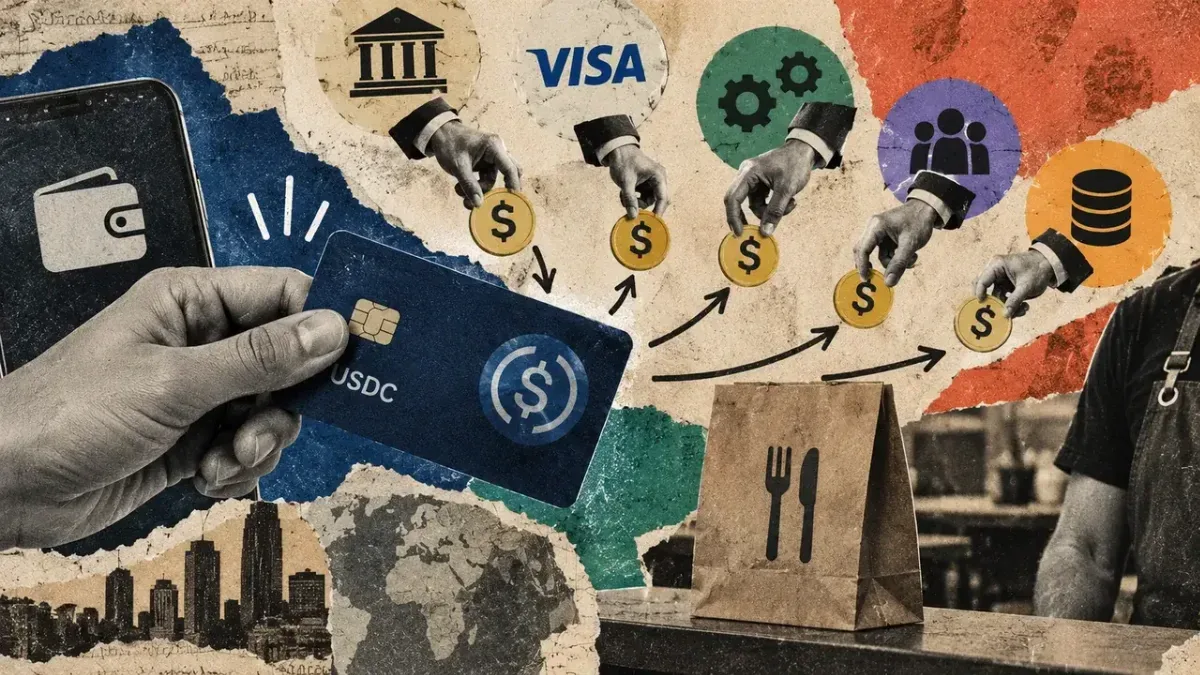
Consumers are increasingly using stablecoin-backed cards to make everyday purchases. These cards function like traditional debit or credit cards at point-of-sale terminals, abstracting away the underlying cryptocurrency from merchants. A customer paying with a stablecoin card funds the purchase from their digital dollar balance – typically USDC – while the merchant receives standard fiat currency through existing payment networks.
Who Profits From the Transaction?
This seamless experience doesn't come without costs. Several companies are involved in facilitating these transactions and collecting fees. The exact breakdown of these fees is not always transparent, but they cover the conversion from stablecoin to fiat, network transaction costs, and the card issuer's processing fees. This multi-layered system means that a portion of each transaction goes to multiple parties beyond the merchant’s standard payment processor.
The growing adoption of stablecoin cards suggests a wider trend of bridging the gap between crypto and traditional finance. While convenient for consumers, the opaque fee structure raises questions about the long-term sustainability and profitability of these services. Further scrutiny of the fee ecosystem is needed as stablecoin card spending continues to expand.
Market context
Market data reflects conditions at publication time and is not updated in real time.
Data captured at: Oct 17, 2026 17:47 (Tehran)
Likely market impact
| Segment | Outlook |
|---|---|
| Bitcoin | ● Neutral |
| Ethereum | ● Neutral |
| Altcoins | ▲ Positive |
| Short term | ● Neutral |
| Long term | ▲ Positive |
Spot prices at publication
Fear & Greed Index
Source: CryptoSlate